
Embodied Masculine Logo: Ancient Origins & Symbolism


The Embodied Masculine logo carries an ancient symbolic lineage rooted in sacred masculinity, initiation, and humanity’s oldest relationship with the living world. What many today associate with the divine masculine emerges from symbolic traditions stretching back thousands of years through Taurus symbolism, horned deities, earth-based spirituality, and the archetype of the Horned God.
The symbol that became the Embodied Masculine logo did not begin as branding, philosophy, or religion.
It emerged from myth.
Long before modern language, human beings understood reality through symbol, ritual, and direct relationship with the mysteries of the natural world. Symbols were not seen as decorative images or abstract ideas. They were living vessels of meaning. Carriers of cosmology. Maps of consciousness. Bridges between the visible and invisible worlds.
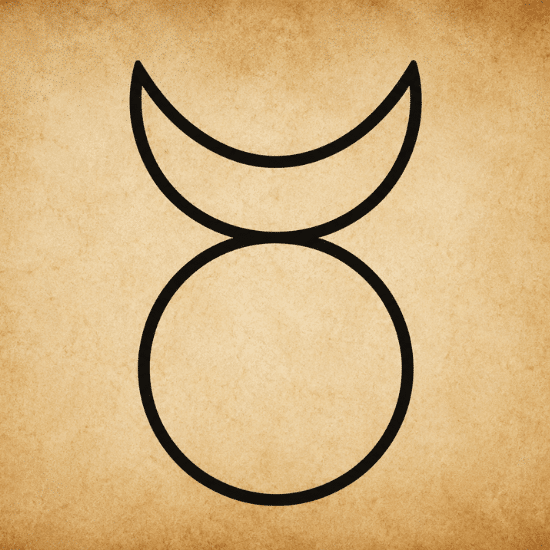
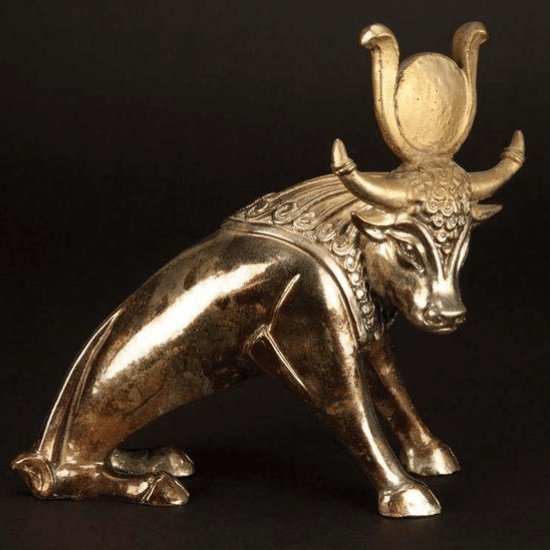
The image we now use as the Embodied Masculine logo, the circle crowned by the crescent horns, belongs to one of the oldest symbolic lineages known to humanity.
Across ancient cultures, the circle often represented eternity, the sun, the cosmos, and the soul incarnated into earthly life. The crescent horns became associated with lunar wisdom, fertility, cyclical transformation, intuition, and divine power expressed through nature itself. Together, these forms evolved into a symbolic relationship between earth and sky, body and spirit, masculine presence and the feminine mysteries of creation.
While the symbol later became formally recognized through the Taurus glyph in astrological systems, its deeper symbolic roots appear across far older horned and lunar traditions.
The Ancient Origins
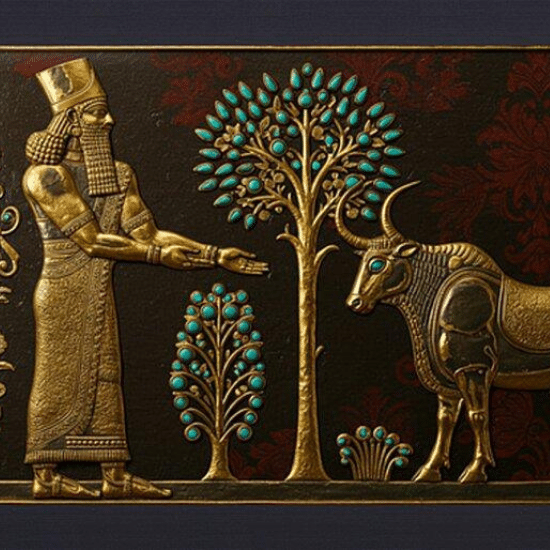
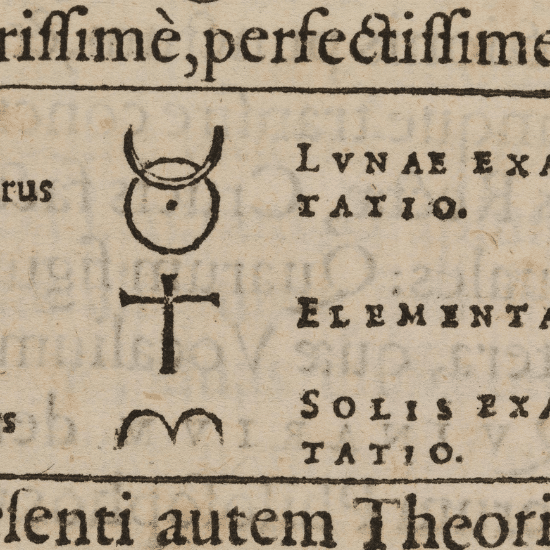
Long before the symbol became associated with Taurus in astrology, horned imagery appeared throughout ancient civilizations as a representation of sacred power, fertility, sovereignty, cyclical life, and humanity’s connection to the cosmos.
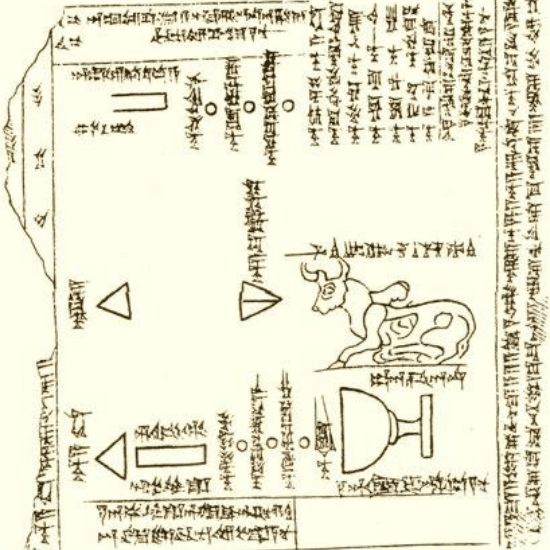
Across regions such as Mesopotamia, Anatolia, Egypt, and early Indo-European cultures, the bull became associated with celestial order, virility, earthly abundance, and the mysteries of death and rebirth.
The Babylonians referred to the constellation Taurus as:
“The Heavenly Bull.”
The crescent horns mirrored the shape of the moon itself, creating an archetypal fusion between lunar symbolism and earthly embodiment.
This relationship between horns, moon symbolism, fertility, and divine power appeared repeatedly throughout ancient religious and initiatory traditions. Horned crowns were often used to symbolize divine authority. Bulls and stags became associated with sacred rites, seasonal cycles, and spiritual transformation.
The horned figure was not originally viewed as evil, demonic, or primitive. It was only later, through the rise of centralized religious systems, that many older earth-based symbols and pagan archetypes were recast as threatening, dangerous, or sinful as competing spiritual traditions were suppressed and cultural power became increasingly consolidated.
The horned figure was sacred.
A guardian of thresholds and the natural world.
A mediator between worlds.
A symbol of instinct, vitality, grounded power, and humanity’s relationship with the living earth.
The Horned God and Sacred Masculine Traditions
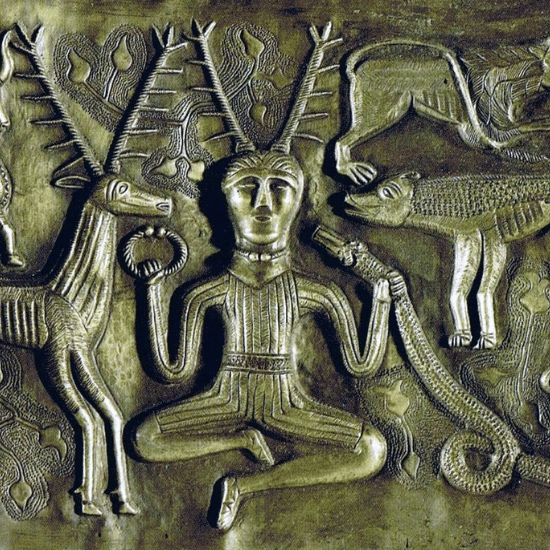
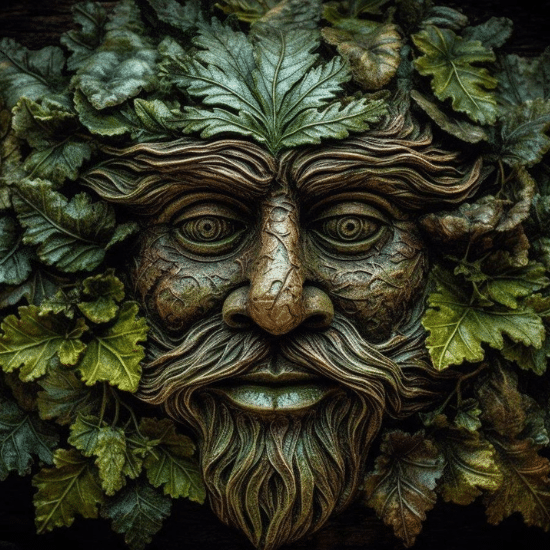
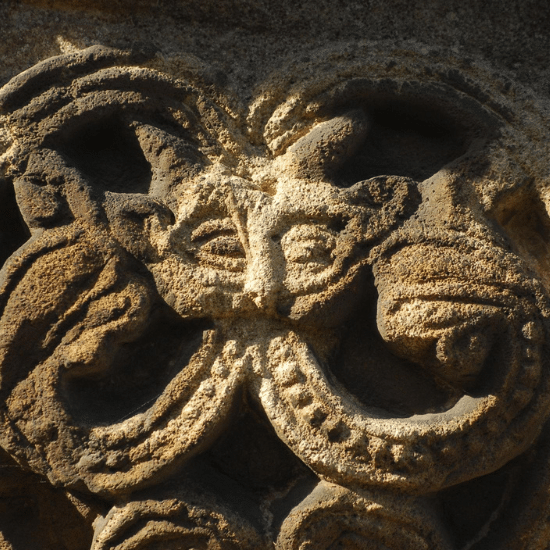
As civilizations evolved, the archetype of the horned masculine emerged across many traditions under different names and forms.
Among Celtic peoples, figures such as Cernunnos became associated with wilderness, fertility, animals, and liminal realms. In Greek mythology, Pan embodied untamed nature, instinct, sexuality, and ecstatic connection to life itself. Similar horned imagery appeared throughout indigenous and shamanic traditions, where antlers and animal symbolism were used within rites of initiation and spiritual transformation.
These figures represented something modern culture has largely forgotten:
the masculine in right relationship with nature.
Not domination over the living world, but participation within it.
The ancient sacred masculine was never fully separated from the feminine mysteries. The horned masculine emerged in relationship with the moon, the earth, fertility, cyclical death and rebirth, and the mysteries of creation itself. Mature masculinity was not defined by conquest alone, but by stewardship, reciprocity, devotion, and reverence for life.
This understanding stands in sharp contrast to many modern distortions of masculinity rooted in emotional suppression, disembodiment, domination, and separation from nature.
The ancient masculine was initiatory.
It required descent.
Humility.
Transformation.
Not merely power.
Taurus Symbolism and the Embodied Masculine Logo
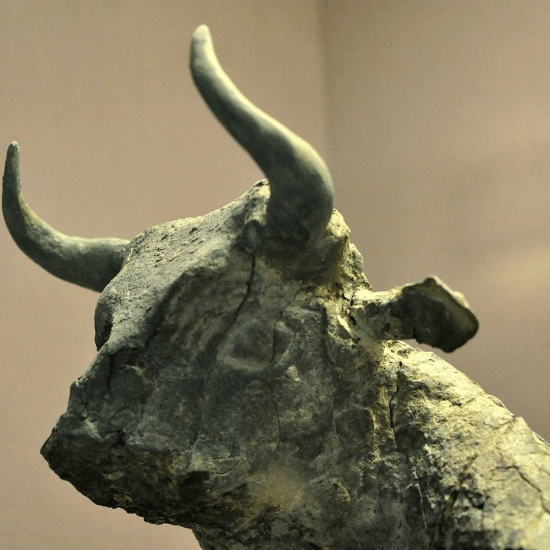
Over time, the symbol evolved into what later became recognized as the Taurus glyph within astrology.
Taurus became associated with:
- embodiment
- groundedness
- fertility
- beauty
- sensuality
- devotion
- stability
- relationship with the earth
Ruled by Venus, Taurus also carries a deeper symbolic truth often overlooked in modern conversations around masculinity:
the mature masculine is not disconnected from the feminine.
It protects beauty.
It cultivates life.
It knows how to slow down enough to feel.
This symbolic lineage resonates deeply with the mission of Embodied Masculine because the work itself is rooted in restoring men’s connection to:
- body
- heart
- soul
- emotion
- nature
- integrity
- sacred responsibility
The Embodied Masculine logo ultimately reflects a return to wholeness rather than performance.
Not performative masculinity.
Not hypermasculinity.
Not disembodied spirituality.
Embodied masculinity.
The Meaning Behind the Embodied Masculine Logo
The Embodied Masculine logo represents grounded masculine presence held in relationship with mystery.
The circle symbolizes embodiment, the soul incarnated into earthly existence, and the cyclical nature of life itself.
The crescent horns symbolize intuition, nature, lunar wisdom, initiation, and the unseen dimensions of existence that ancient cultures often associated with the feminine mysteries.
Together, these forms create a symbolic union:
- earth and sky
- masculine and feminine
- instinct and consciousness
- body and spirit
- rootedness and transcendence
The logo serves as a reminder that true masculinity is not achieved through domination, performance, or emotional armor.
It emerges through integration.
A man does not become initiated merely by accumulating power.
He becomes initiated through his willingness to descend into the hidden places within himself:
- grief
- fear
- tenderness
- longing
- shadow
- love
- devotion
- truth
Ancient initiatory traditions understood that transformation often required symbolic descent into darkness before renewal could occur. This is why horned figures frequently appeared in forests, caves, wilderness rites, and underworld symbolism throughout mythological traditions.
The journey inward was never separate from the sacred.
Why We Chose the Embodied Masculine Logo
We did not choose this symbol because it looked mystical or aesthetically appealing.
We chose it because it carries a lineage.
The Embodied Masculine logo reflects the deeper vision behind our work:
the restoration of men into right relationship with themselves, each other, the feminine, the earth, and the sacred dimensions of life.
It represents embodiment over performance.
Presence over posturing.
Integrity over domination.
Initiation over image.
The ancient current beneath this symbol continues to speak because something within the human psyche still remembers it.
The Embodied Masculine logo is ultimately not a symbol of dominance, ideology, or identity.
It is a remembrance.
A call back into relationship with the body, the earth, the soul, and the ancient mysteries that once taught humanity what it meant to live in sacred reciprocity with life itself.