
Men’s Circle Europe: Rising Across the Continent

The Rise of Men’s Circle Europe
Men’s Circle Europe is here. Across Europe, a quiet cultural shift is underway. From Berlin to Barcelona, Amsterdam to Athens, more men are seeking spaces where they can gather with intention, speak honestly, and reconnect to their embodied presence.
Search interest in Men’s Circle Europe and related terms such as men’s work Europe and men’s groups Europe has steadily increased over the past five years. The reason is simple: modern men are navigating isolation, performance pressure, relational breakdown, and identity confusion without structured support.
A men’s circle provides something increasingly rare — structured brotherhood.
Unlike social clubs or networking groups, this container is purpose-driven. It creates a field for accountability, emotional clarity, somatic awareness, and leadership development.
What Is a Men’s Circle?

A men’s circle is a facilitated gathering where men meet regularly to practice:
- Emotional honesty without performance
- Somatic awareness and embodiment practices
- Accountability to commitments
- Structured council and active listening
- Leadership through presence rather than dominance
Historically, male initiation and mentorship were embedded within tribal and communal structures. Modern Europe largely lost these rites of passage. The resurgence of this type of offering reflects a collective desire to restore structure around masculine maturation.
These circles are not therapy sessions.
They are not political movements.
They are not anti-feminine spaces.
They are training grounds for grounded masculinity.
Why Europe Needs Men’s Circles Now
Europe is culturally diverse, intellectually advanced, and politically complex. Yet many men report:
- Loneliness despite social connectivity
- Lack of elder mentorship
- Difficulty expressing vulnerability
- Strain in intimate partnerships
- Disconnection from purpose
A properly facilitated Men’s Circle Europe offers disciplined structure rather than emotional chaos. Men meet consistently. They practice presence. They confront avoidance patterns. They build relational capacity.
The emphasis is not on venting.
The emphasis is on growth.
What Makes an Embodiment-Based Men’s Circle Different?
Many men’s groups rely heavily on discussion. While conversation is valuable, insight without embodiment rarely translates into behavioral change.
An embodiment-based Men’s Circle Europe integrates:
- Breathwork
- Grounded posture and nervous system regulation
- Shadow integration practices
- Archetypal frameworks (King, Warrior, Magician, Lover)
- Structured reconciliation processes
The body becomes the anchor. Men learn to regulate before they react. Speak from clarity rather than reactivity. Hold tension without collapsing.
This is training.
If you want to explore a structured embodiment-based format, you can learn more about the Men’s Embodiment Circle Europe (insert internal link here).
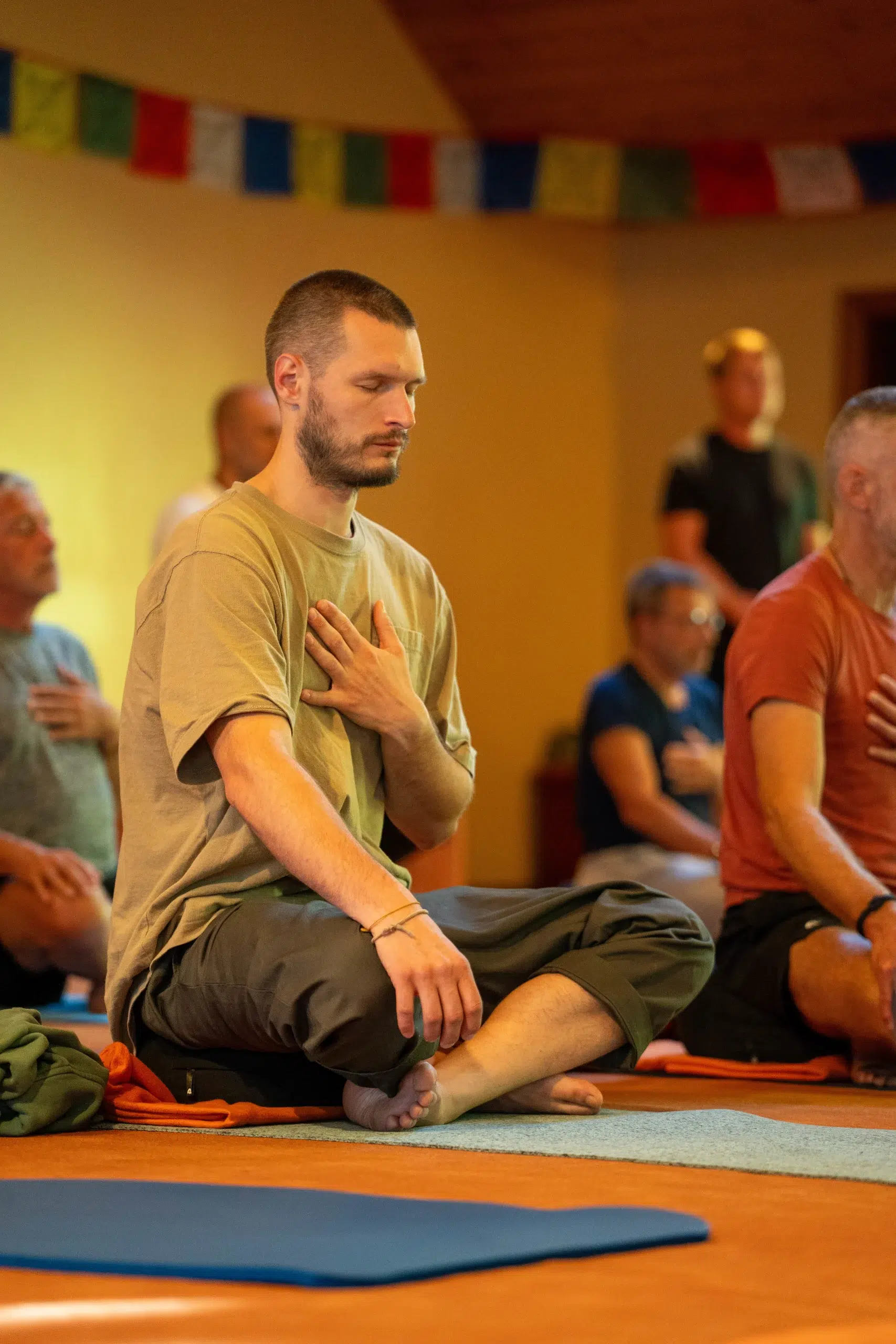
The Structure of a High-Integrity Men’s Circle Europe
Not all circles are equal. From an SEO and authority standpoint, it is important to position your offering clearly within the higher standard tier.
A strong Men’s Circle Europe should include:
- Clear facilitation leadership
- Consistent weekly or bi-weekly rhythm
- Confidentiality agreements
- Defined council structure
- Accountability tracking
- Optional deeper immersion pathways (retreats or intensives)
Consistency builds trust.
Trust builds depth.
Depth builds transformation.
Who Is Men’s Circle Europe For?
The ideal participant is:
- A man seeking disciplined growth
- A leader who wants sharper relational skills
- A father wanting to model presence
- An entrepreneur needing accountability
- A man navigating transition or identity shifts
It is not for men looking for passive inspiration. It is for men willing to engage.
Across Europe, more men are recognizing that independence without brotherhood leads to stagnation. Structured male community accelerates development.
The Broader Movement of Men’s Work in Europe
The growth of Men’s Circle Europe reflects a wider global shift. Organizations across the UK, Germany, Spain, and Scandinavia are developing men’s work programs, retreats, and embodiment trainings.
This aligns with increased interest in:
- Conscious masculinity
- Emotional intelligence training
- Somatic psychology
- Initiatory retreat experiences
- Archetypal development frameworks
However, search trends show that men are increasingly looking for ongoing containers rather than one-time retreats. A consistent Men’s Circle Europe model meets that need.
The Measurable Benefits of Participating in Men’s Circle Europe
Men who commit to structured circles consistently report:
- Increased emotional regulation
- Stronger romantic relationships
- Greater clarity in business decisions
- Reduced isolation
- Improved communication under pressure
- Increased sense of purpose
The benefit is not mystical. It is developmental.
Regular council, somatic practice, and accountability reshape behavior over time.
How to Choose the Right Men’s Circle Europe
Before joining a circle, ask:
- Who facilitates it?
- What lineage or training informs the structure?
- Is there embodiment work or only discussion?
- Is there a clear container agreement?
- Is there progression or development over time?
A well-run Men’s Circle Europe should feel grounded, not chaotic. Structured, not loose. Intentional, not performative.
The Future of Men’s Circle Europe
The cultural pendulum is shifting.
Men are increasingly aware that strength without emotional intelligence leads to fracture, and vulnerability without structure leads to drift. The integration of both is where modern masculinity evolves.
Expect continued growth in:
- Online European men’s circles
- Hybrid digital and in-person formats
- Retreat-based deepening pathways
- Certification programs for facilitators
The demand for grounded male spaces is not a trend. It is a structural need.
Final Thoughts
Men’s Circle Europe represents a return to disciplined brotherhood. Not regression. Not ideology. Development.
Men do not need more noise.
They need structure, embodiment, and accountability.
If you are seeking a consistent, high-integrity container in Europe, explore structured embodiment-based options and commit long enough to experience measurable change.
Interested in going deep within a structured container? Try the 4-month men’s work intensive (The MWI Program) you can start by filling out your MWI application. Once your application is received you may be invited to an interview to see if you’re ready for this program.